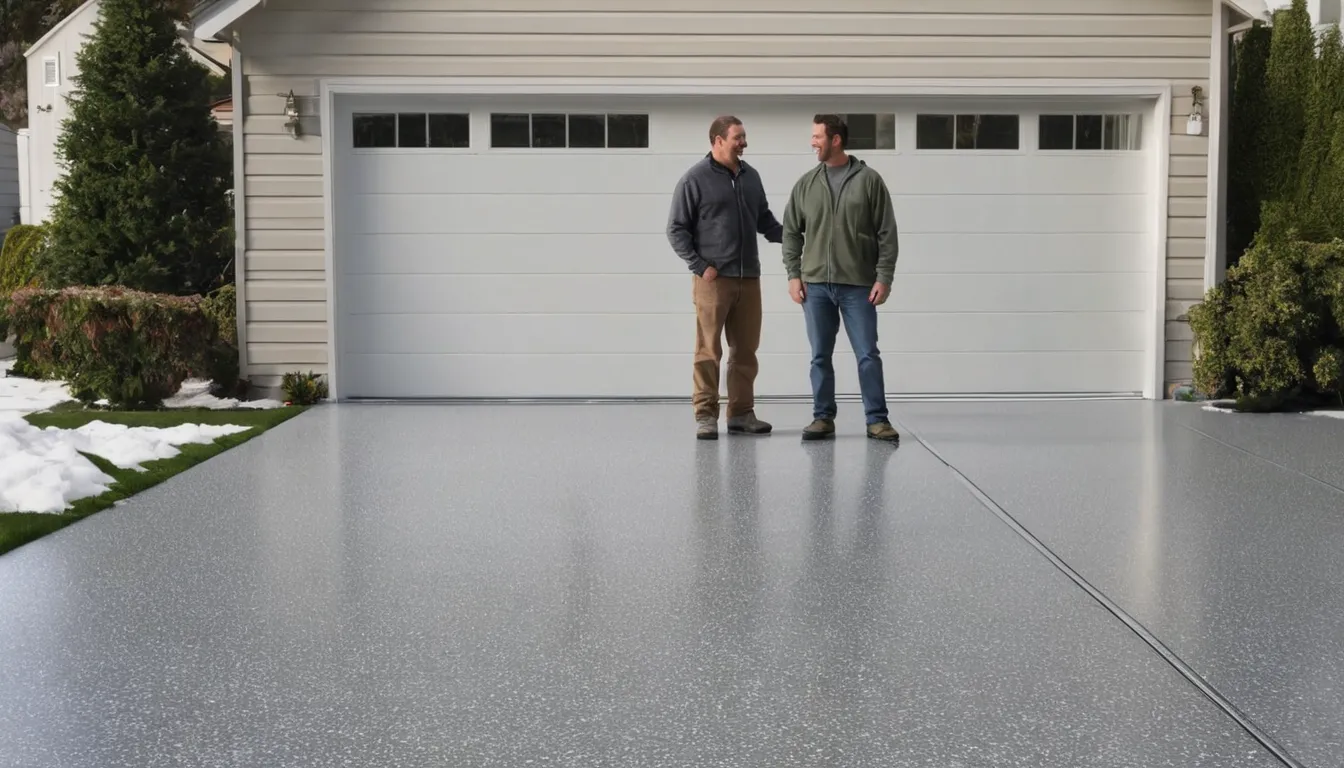
Polyaspartic Floor Coating for Your Garage or Concrete
If your garage floor is stained, cracked, or dusty, you may be tired of looking at it. You may also be worried about losing your garage for days. Polyaspartic coating is often chosen because it cures faster than many other coatings, so the wait can be shorter.
Keepsimprove Floor Coating is a referral service. We do not do the work. We connect homeowners in the Yeadon area with independent local providers who install these floors. You can compare estimates, ask your questions, and take your time. There is no obligation, and no one will rush you into a choice.
Need Your Garage Back Soon?
Maybe the car has been parked in the driveway all week. Maybe a family event is coming, or snow is on the way. If a floor project has you stuck, that is a fair worry. Polyaspartic is a good one to look at, because many providers can finish it in a shorter window than a traditional coating.
Timing still depends on the job, the weather, and the provider's schedule. Request a callback to check provider availability in your area.
What Polyaspartic Means, in Plain Words
Polyaspartic is a type of clear or tinted coating that is rolled onto prepared concrete. It sets hard and forms a smooth, tough layer. Think of it as a cousin of epoxy that dries much faster.
You do not need to know the chemistry. You only need to know what it does for a floor and what questions to ask.
How It Differs From Epoxy
Epoxy garage floors are popular and often cost less. They can work very well in a garage that stays out of direct sun. But epoxy can turn yellow over time when sunlight hits it, and it usually needs a longer cure.
Polyaspartic tends to hold its color better in bright light. It also cures quickly, even in cooler air. The trade-off is that it is often priced higher, and the provider has less time to work it before it sets.
A quick side-by-side
- Cure time: polyaspartic is usually faster
- Sunlight: polyaspartic usually holds up better
- Price: epoxy is often lower
- Working time: epoxy gives the installer more room
Full Polyaspartic or a Hybrid System?
You may hear two terms. A full system uses polyaspartic in every layer. A hybrid uses an epoxy base with a polyaspartic top coat. The hybrid can lower the price while keeping the tough, sun-resistant finish on top.
Neither choice is wrong. A provider can explain which fits your slab, your budget, and how you use the space. Ask each one to put the system in writing.
What the Installation Looks Like
A good job starts with the concrete, not the coating. Here is the usual order.
Prep comes first
The provider cleans the slab and grinds the surface so the coating can grip. Cracks and chips are filled. Oil spots may need extra work, since oil can block a bond.
Layers go on
Next comes a base coat, then color flakes if you want them, then a clear top coat. Because the product sets fast, the crew moves in a steady rhythm.
Cure and return
Foot traffic may be fine soon after. Cars usually wait longer. Ask the provider for exact times for your floor.
Where Polyaspartic Works Well
Garages are the most common spot. It also suits workshops, porches, patios, and basement floors that are dry. Because it handles sunlight, it can be a smart pick for a garage with big windows or a door that stays open.
Some providers also handle other floor work, such as hardwood flooring installation inside the home. If you have more than one project, you can ask whether a provider covers both.
Weather and Timing
Cold snowy winters and freeze-thaw cycles are hard on concrete. Moisture in the slab can also cause trouble. A careful provider checks the slab for dampness before coating.
Polyaspartic can often be applied in cooler air than some other products. That can help in shoulder seasons. Spring snowmelt and coastal storms can still delay a job, so be flexible and ask how the provider handles a weather delay.
Choosing Colors and Flake Blends
This is the fun part. Flakes add speckled color and help hide dust and tire marks. Solid colors look clean and modern. Some providers offer custom floor finishes, such as blended flakes or a metallic look.
Ask to see a sample board in your own garage light. Colors change between a showroom and a real space. Lighter blends hide dirt well. Dark solids show it more.
Caring for a Polyaspartic Floor
Care is simple. Sweep or dust mop. Wipe spills when you see them. Wash with a mild cleaner and a soft mop. Skip harsh scrapers and sharp tools.
In winter, road salt and slush come in on your tires. Rinse them off now and then. Felt pads under heavy tools help prevent scratches.
Comparing Estimates Without Pressure
It helps to get more than one estimate. Lay them side by side. Look at the prep, the number of coats, the product named, and the cure time. A low number with little detail may leave out key steps.
Compare, then decide. You can say no, and you can ask for more time.
Questions to Ask the Installer
- How will you prep my slab?
- Is this a full or hybrid system?
- How many coats are included?
- How long before I can walk and park on it?
- What happens if the weather delays the job?
- Is the warranty written down, and what does it cover?
- Can I see a sample in my garage light?
One Clear Step
If you are ready, ask for a provider to contact you. Take your time and keep every question handy.
What's Included
Surface Prep
Cleaning, grinding, and filling cracks so the coating can grip your concrete slab.
Base and Color
A tinted base coat, with optional flakes or custom floor finishes for a look you like.
Clear Top Coat
A tough polyaspartic layer that resists scuffs, stains, and sunlight better than many coatings.
Cure Guidance
Clear advice on when to walk, park, and move items back.
What Polyaspartic Floors Typically Cost
Prices vary by size, slab condition, and the system chosen. These are typical U.S. ranges, not quotes. Ask each provider for a written estimate that lists prep, materials, and coats, so you can compare fairly.
| Item | Typical range | Notes |
|---|---|---|
| One-car garage, full polyaspartic | $2,000 – $4,500 | Price rises with slab damage |
| Two-car garage, full polyaspartic | $3,500 – $7,500 | Often the most common size |
| Hybrid epoxy base with polyaspartic top | $3,000 – $6,500 | Two-car size; can lower the total |
| Concrete grinding and prep, per sq ft | $1 – $3 | Heavier prep costs more |
| Crack and joint repair | $150 – $800 | Depends on length and depth |
| Flake or metallic upgrade, per sq ft | $1 – $4 | Custom finishes cost more |
How It Works
Share Your Project
Tell us about your garage or concrete floor, its size, and what bothers you now.
Get Matched Locally
We connect you with independent providers in the network who coat floors near you.
Compare Your Estimates
Look at prep, coats, products, and timing in each written estimate.
Choose When Ready
Pick a provider you trust, or wait. The decision stays with you.
Why Call Keepsimprove Floor Coating
Compare, Then Decide
See several estimates side by side and choose at your own pace, with no obligation.
Plain Answers
We explain the choices in simple words, so a first project feels clear.
Local Providers
You are matched with independent providers who know local winters and older concrete.
No Pressure
Ask questions, take your time, and say no whenever you want.
Other Services
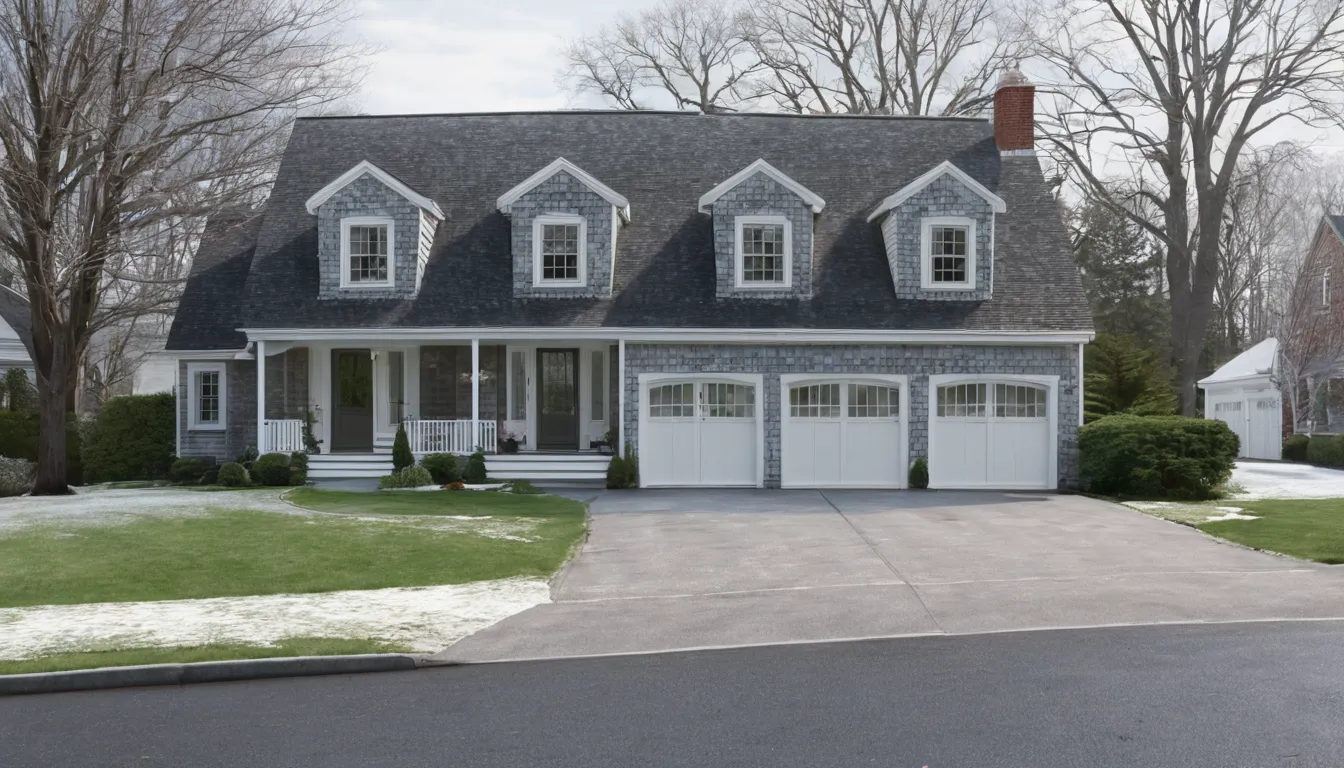
Need polyaspartic floor coating in Yeadon?
Have a question about your garage or concrete floor? Send a request or reach out by email, and we will help you find independent local providers to compare.
No obligationPolyaspartic Floor Coating FAQ
Is polyaspartic better than epoxy for a garage floor?
It depends on your needs. Polyaspartic usually cures faster and holds its color better in sunlight, but it often costs more. Epoxy can be a fine, lower-priced choice in a shaded garage. Compare estimates for both before you decide.
How long does a polyaspartic floor take to cure?
Many polyaspartic floors can handle light foot traffic soon after coating and cars after a longer wait. Exact times depend on the product, the weather, and the provider, so ask for them in writing.
Can polyaspartic go over cracked or old concrete?
Often yes, after prep. A provider usually grinds the surface and fills cracks first. Very damp or badly broken slabs may need extra repair, so ask for an on-site look before you accept an estimate.
Reach a local provider
Have a question about your garage or concrete floor? Send a request or reach out by email, and we will help you find independent local providers to compare.
No obligation